| Geography |
At Shiney Row Primary School, our Geography curriculum aims to inspire pupils to become curious and explorative thinkers with a diverse knowledge of the world, in other words, to think like geographers. The intention is for pupils to develop the confidence to question and observe places, measure and record necessary data in a variety of ways, and analyse and present their findings.
We place a strong emphasis on learning about our local area, enabling pupils to make meaningful connections between their immediate surroundings and the wider world. By exploring the physical and human geography of Shiney Row and the surrounding region, pupils develop a sense of place, identity, and belonging, while gaining a deeper understanding of how geographical processes impact their own lives.
We aim to build an awareness of how Geography shapes lives at multiple scales and over time. The hope is to encourage pupils to become resourceful, active citizens who will have the skills to contribute to and improve the world around them.
The four strands of Geography
The National curriculum organises the attainment targets for Geography under:
Locational knowledge-Developing pupils' sense of place and identity; developing an appreciation of distance and scale; and learning about the orientation of the world.
Place knowledge-Locating physical areas on maps and attaching meaning to these spaces so they becomes ‘places’.
Human and physical geography-Describing and explaining different environments and their formation.
Geographical skills and fieldwork-Interpreting spacial representations including maps, globes and atlases to develop a sense of place.
Types of knowledge in Geography
Knowledge is defined differently depending on the subject in question. Ofsted’s Geography research review helps to define these Geography knowledge strands as:
Disciplinary knowledge-Pupils gain knowledge of the subject as a discipline, considering how geographical knowledge (such as the substantive knowledge they study) originates through geographical practice.
Fieldwork enquiries in each unit give pupils the opportunity to understand and follow the same processes that geographers follow to find and evaluate answers to enquiry questions.
Substantive knowledge-Substantive knowledge is the content that pupils will learn through studying the Geography curriculum: the recognised knowledge of the world and the human and physical processes that affect the people and environments within it.
Procedural knowledge-Pupils gain procedural knowledge primarily through the Geographical skills and fieldwork strand.
Pupils learn knowledge of how to collect, analyse and communicate data and geographical information from fieldwork, maps and other sources. In addition, they consider how to interpret this range of sources to answer enquiry questions
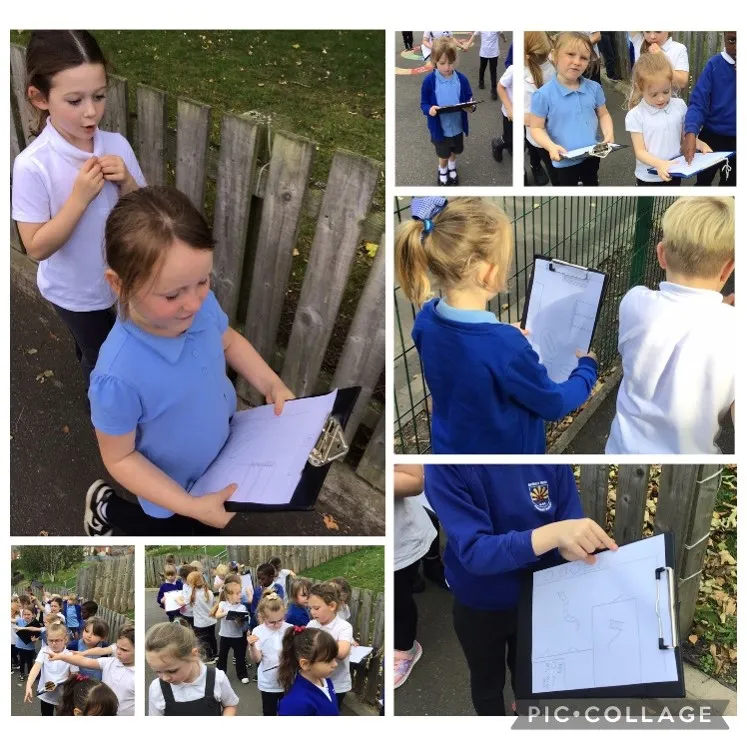
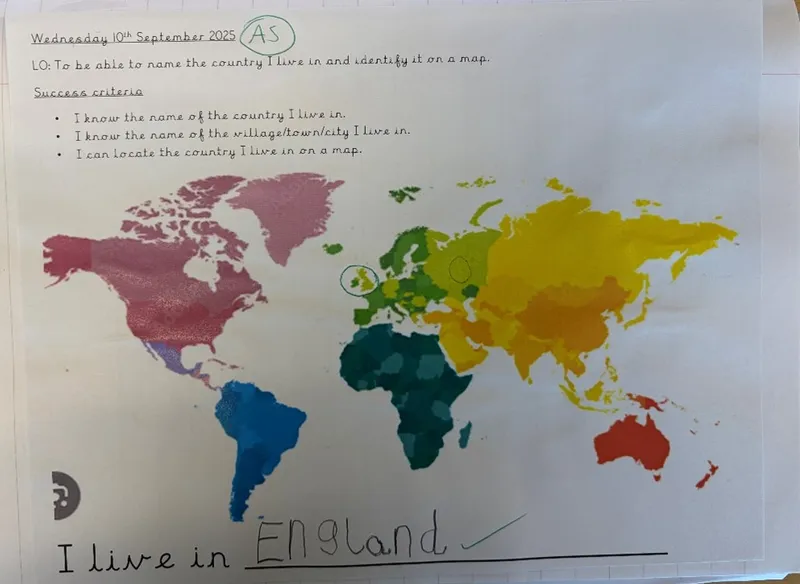
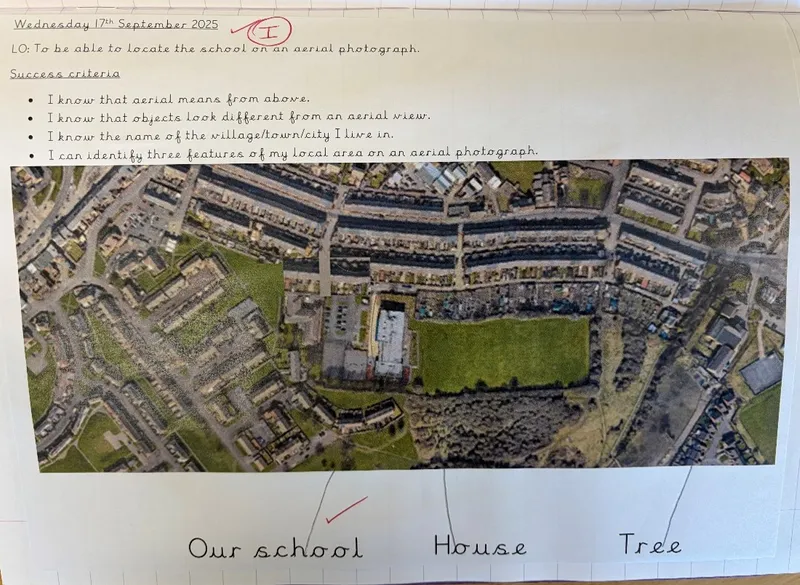
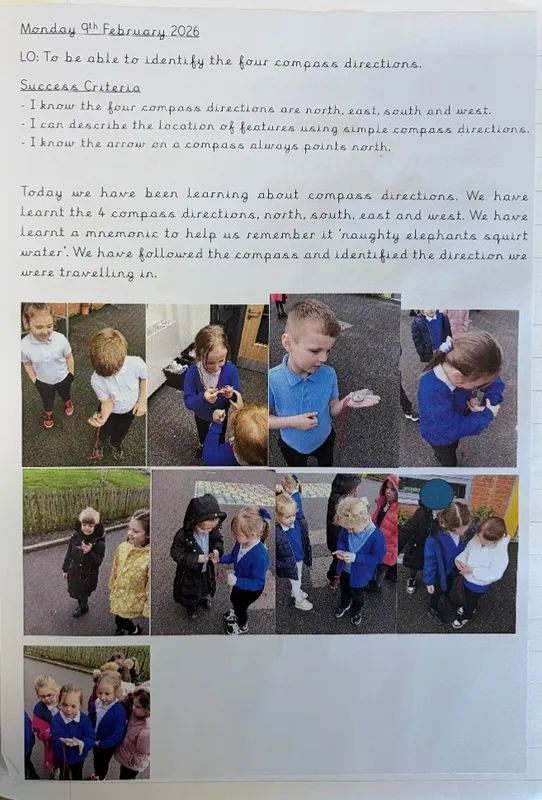
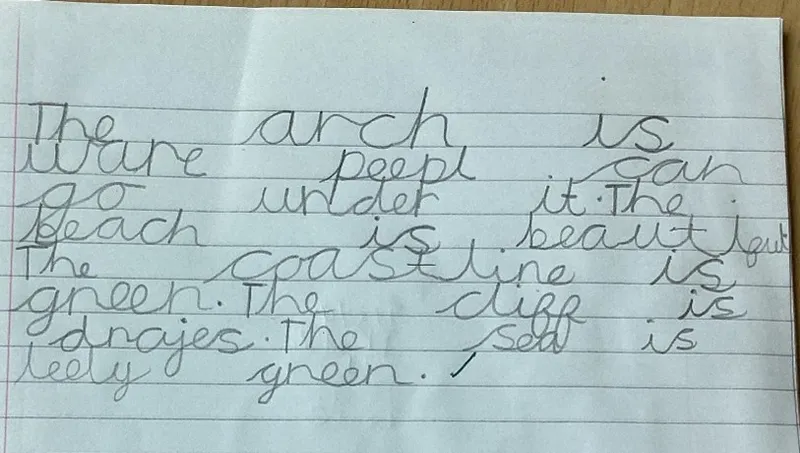
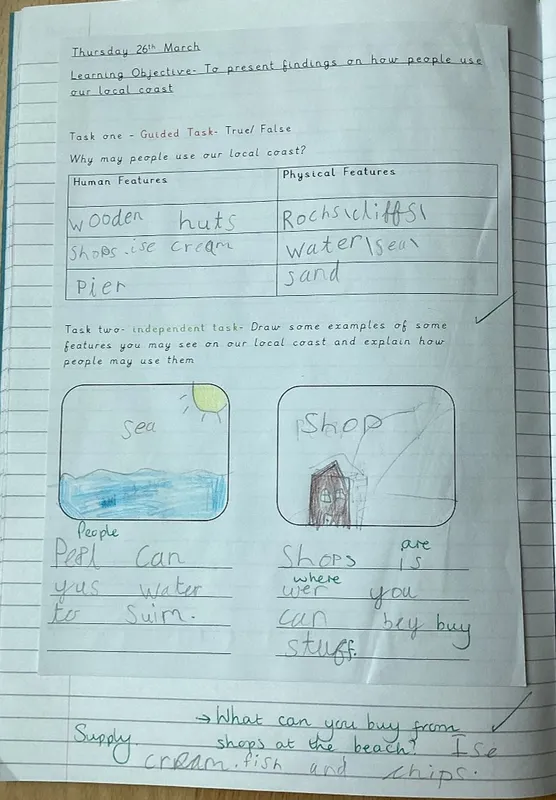
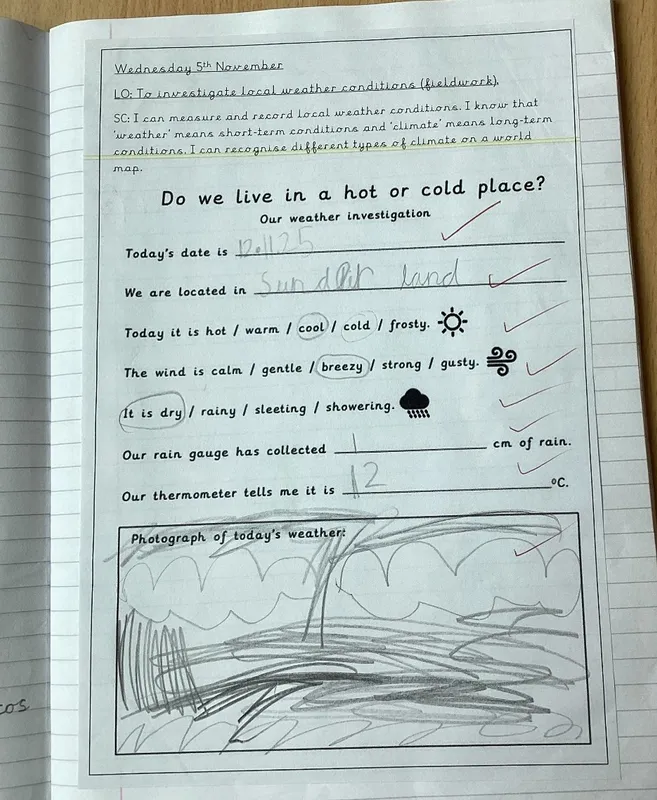
Our young geographers enjoy exploring the world around them through fieldwork, map skills, investigations and outdoor learning. These photographs showcase pupils' learning journeys, including examples of their work, practical activities, and classroom discoveries, highlighting their curiosity and enthusiasm for understanding places and environments.
Year 1
Year 2
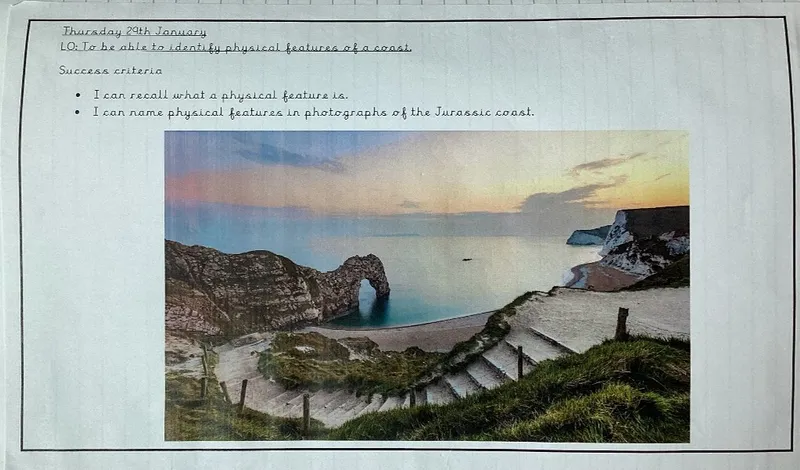
In year 2, we study different hot and cold places, different human & physical features of our world and the coast.
Year 3
In year 3, we study volcanoes, settlements and the Antarctic.
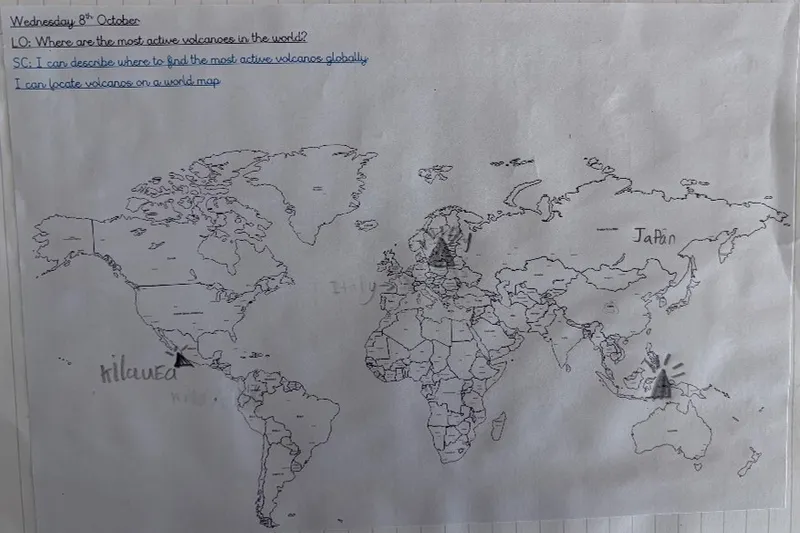
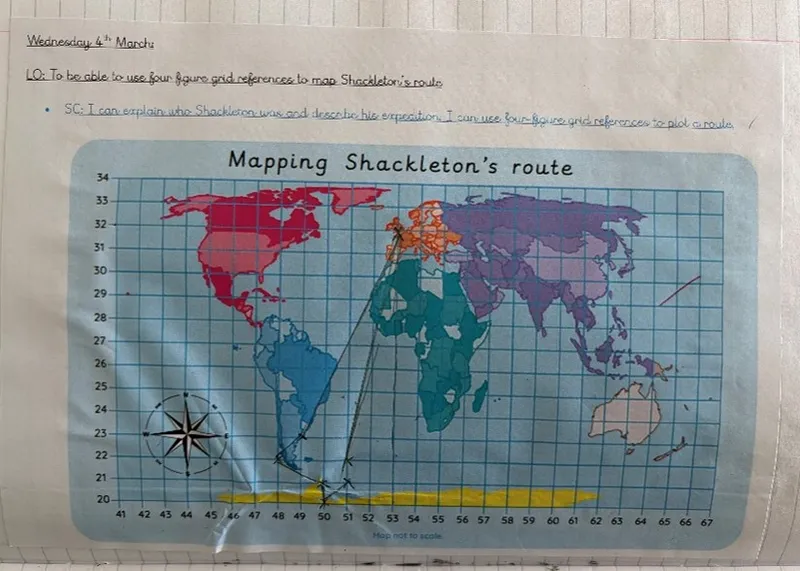
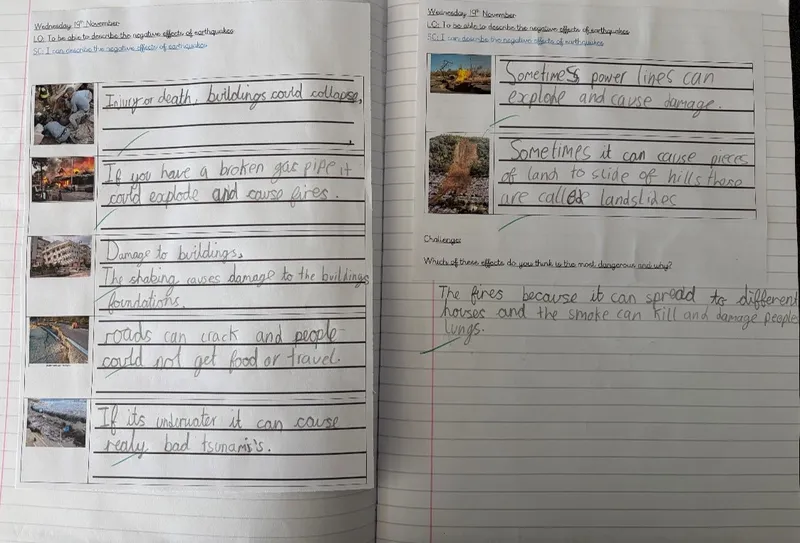
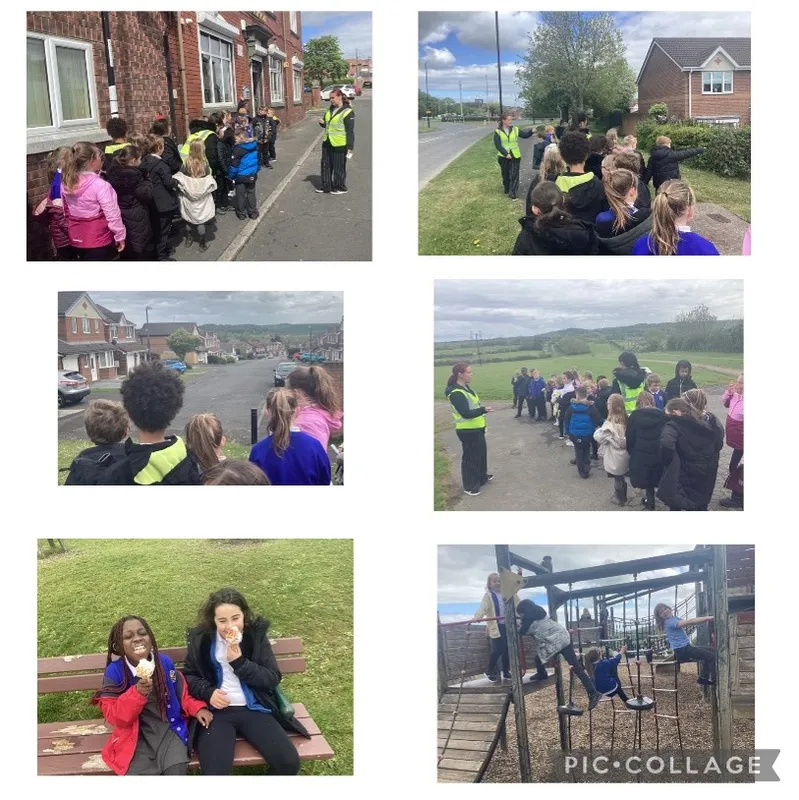
Year 3 carried out some geographical fieldwork in the local area, identifying land use and settlement types. We finished by experiencing some recreational land use at the park followed by a well-earned ice cream.
Year 4
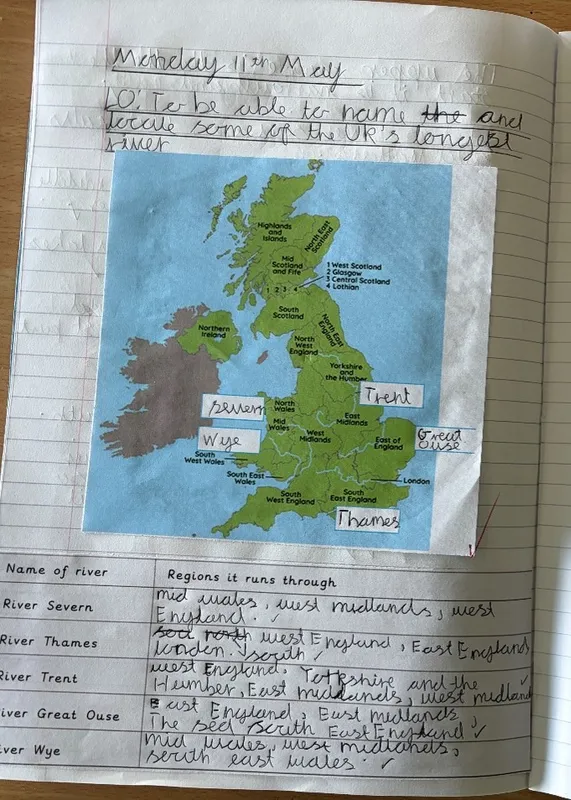
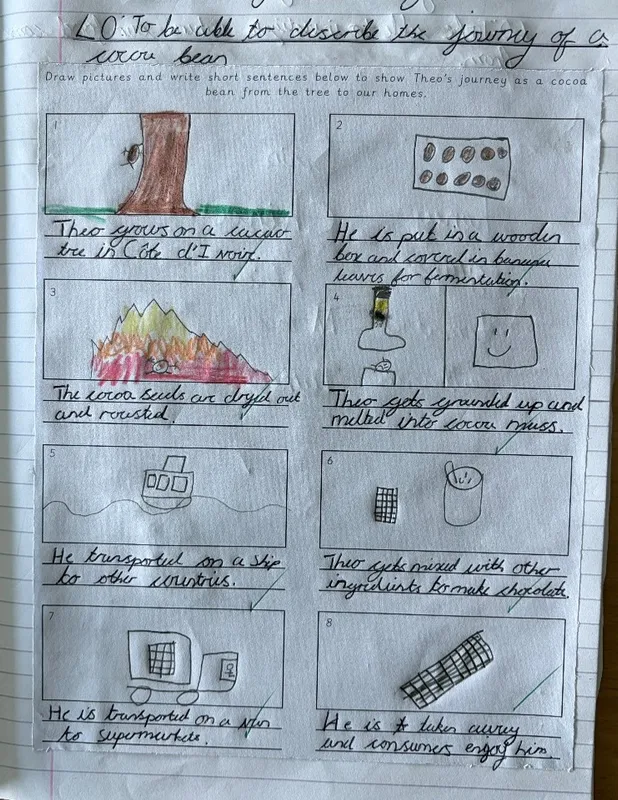
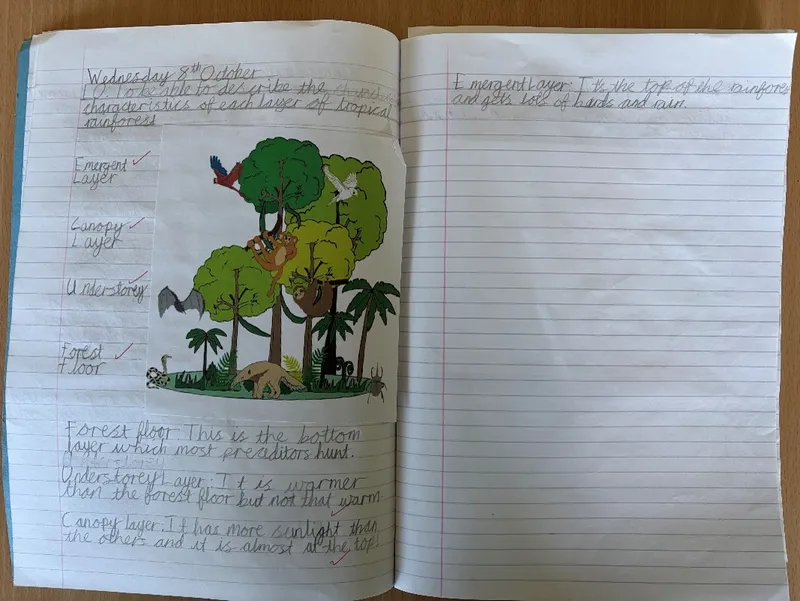
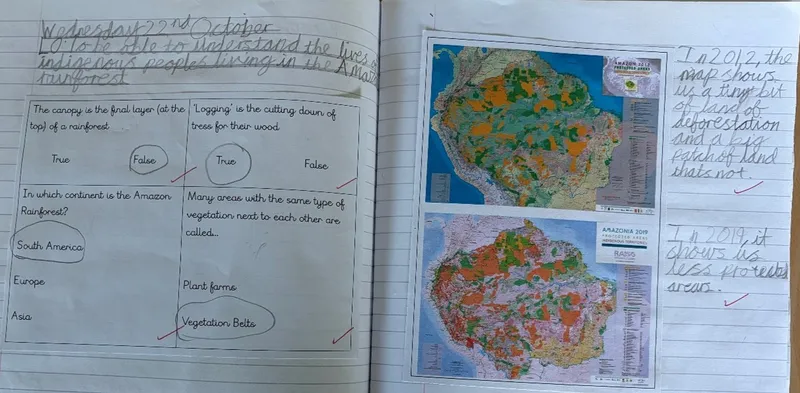
In year 4, we study rainforests, rivers and where our food comes from.
Year 5
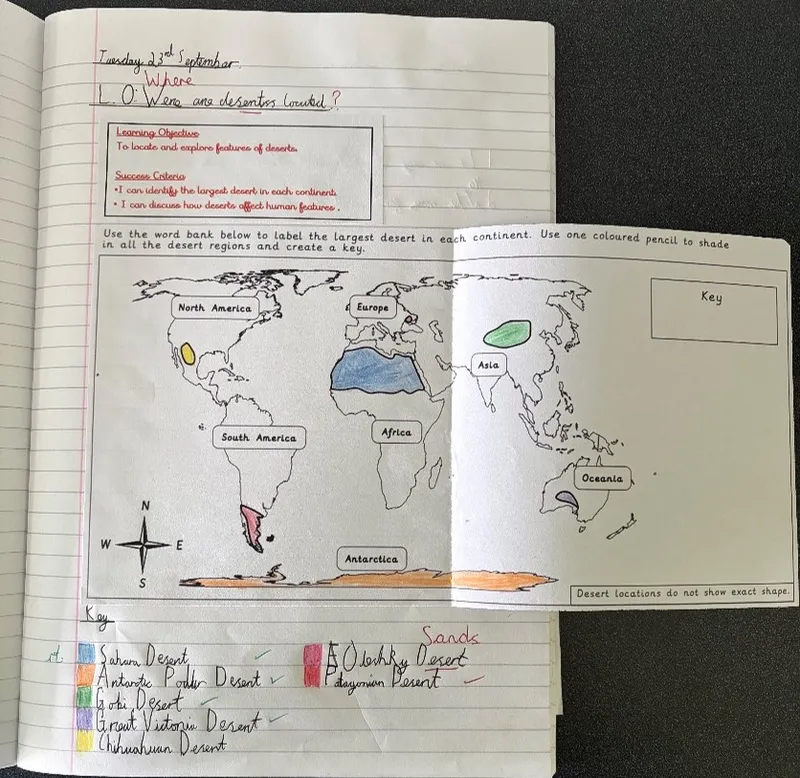
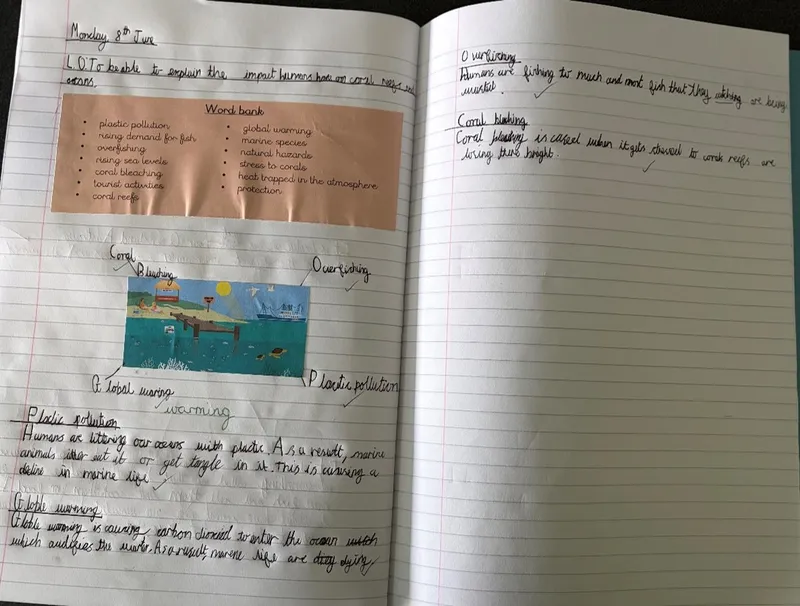
In year 5 we learn about deserts, the Alps & why our oceans are important
 .
. 
Year 6
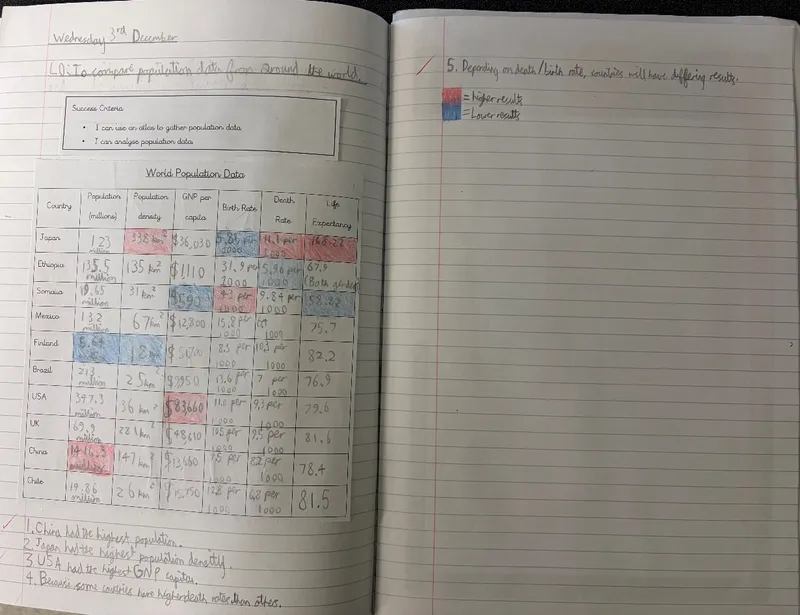
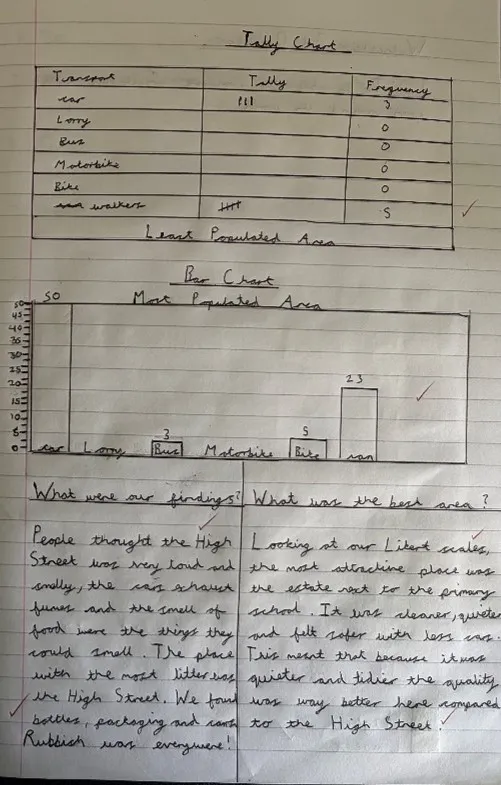
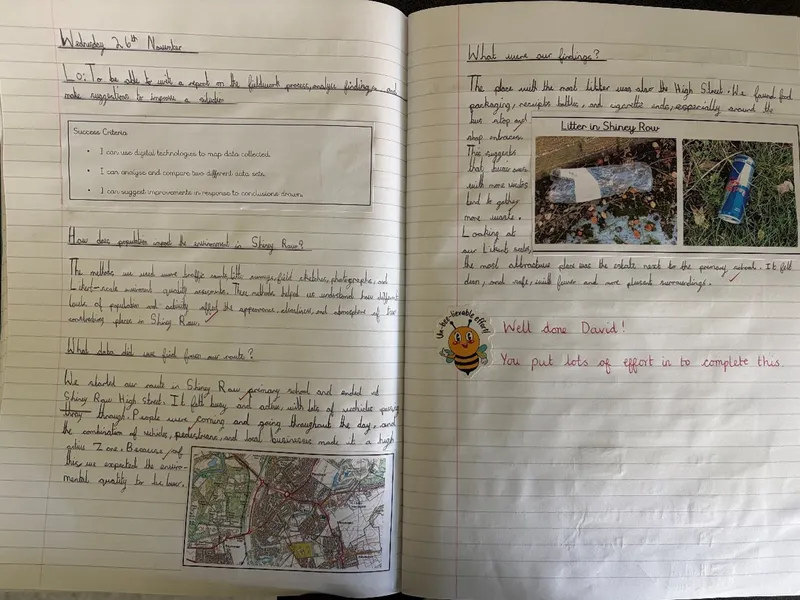
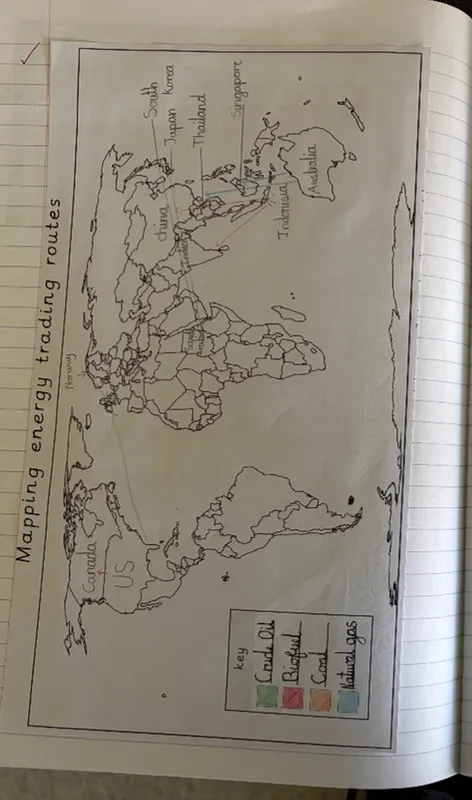
In year 6, we study population, global energy & conduct our own independent fieldwork to pull together everything we have learnt in Geography throughout our school careers.