Computing
Computing at Shiney Row Primary School
Computing Curriculum
At Shiney Row Primary School, our computing curriculum is designed to equip children with the knowledge, skills, and understanding they need to thrive in an ever-changing digital world. We aim to develop digitally literate learners who can confidently use technology to express themselves, solve problems, and develop their ideas creatively and effectively.
We place a strong emphasis on online safety, teaching children how to use technology responsibly, respectfully, and safely. Through this, children develop an understanding of their digital footprint and the importance of making informed choices when using technology, both in and beyond school.
Our curriculum fosters enjoyment, curiosity, and confidence in technology while nurturing respect for digital tools, equipment, and systems. Children are provided with meaningful opportunities to create, manage, organise, collaborate, and succeed, developing key transferable skills that will support them throughout their education and future employment.
Through a carefully structured and progressive scheme of work, we enhance children’s cultural capital, encourage perseverance, and build resilience, enabling them to approach new technologies with confidence. Our computing curriculum ensures that all children meet the Key Stage attainment targets set out in the National Curriculum, while preparing them to become adaptable, responsible, and informed digital citizens.
The three strands
The National curriculum organises the attainment targets for Computing under three strands:
Digital literacy: Recognising the opportunities and risks of the online world and develop the skills to use technology safely, respectfully and responsibly.
Information technology: Using technology purposefully to create, organise, store, manipulate and present digital content across a range of contexts.
Computer science: Developing an understanding of how digital systems work and how to design, write and debug programs to control them
These strands ensure a balanced coverage of the different aspects of Computing, supporting the development of both substantive knowledge (e.g understanding networks, algorithms and data) and disciplinary knowledge (e.g. applying skills to program, creating digital content and evaluating online information responsibly).
Types of knowledge
Knowledge is defined differently depending on the subject in question. Ofsted’s Computing research review helps to define these Computing knowledge strands as:
Declarative knowledge-Declarative knowledge in Computing refers to the facts, concepts and information that pupils need to understand. This includes knowledge of algorithms, how networks function, input and output devices and the vocabulary used to describe digital systems.
It forms the theoretical foundation that helps pupils make sense of the digital world and supports their ability to explain and reason about how and why things work.
Procedural knowledge-Procedural knowledge is the practical know-how that enables pupils to apply their understanding through action.
In Computing, this involves tasks such as writing code, debugging programs, editing digital media, using data-handling tools and navigating software interfaces.
Procedural knowledge is developed through hands-on experience and allows pupils to use technology purposefully and creatively to solve problems and complete tasks.
Sequenced Rationale
EYFS: Pupils begin to make sense of technology in the world around them.
In the Early Years and Foundation Stage, children use technology through the overarching concept, 'Understanding the World'. By exposing children to a range of frequent experiences, that they have not experienced before, we aim to help them make sense of the world around them whilst increasing knowledge and understanding of various concepts, such as: iPads, interactive white boards and electronic toys. They are taught how to use and select technology for a particular purpose and recognise these at home and school. Children are supported to use a range of technologies available in the classroom to enhance their child-initiated play and to learn how technology interacts with their everyday lives. Teachers also begin to talk to the children in EYFS about how to stay safe online and who they could talk to if they felt unsafe online, beginning their journey on how to be digitally literate.
KS1: Pupils begin to use technology purposefully and safely.
In Key Stage One, computing is taught through Kapow, ensuring that the aims of the National Curriculum are being met. It also ensures that we can provide clear progression and skills as pupils move from KS1 into KS2. Our Computing curriculum excites the children to develop their computing skills and for them to further understand how this relates and strengthens their learning across the curriculum. Children have opportunities to see first-hand now the computing skills and knowledge they are learning can be used responsibly and successfully across many subjects. They begin to use iPads to take photographs and will use Scratch to code basic animations, debugging simple problems that they may come across.
KS2: Pupils become independent digital citizens.
In Key Stage Two, we encourage children to make informed judgements about when and where to use ICT to its best effect and place a strong emphasis upon Online Safety. The content allows for a broad, deep understanding of computing and how it links to children's lives. It offers a range of opportunities for consolidation, challenge and variety. This allows children to apply the fundamental principles and concepts of computer science. They develop analytical problem-solving skills and learn to evaluate and apply information technology. It also enables them to become responsible, competent, confident and creative users of information technology.
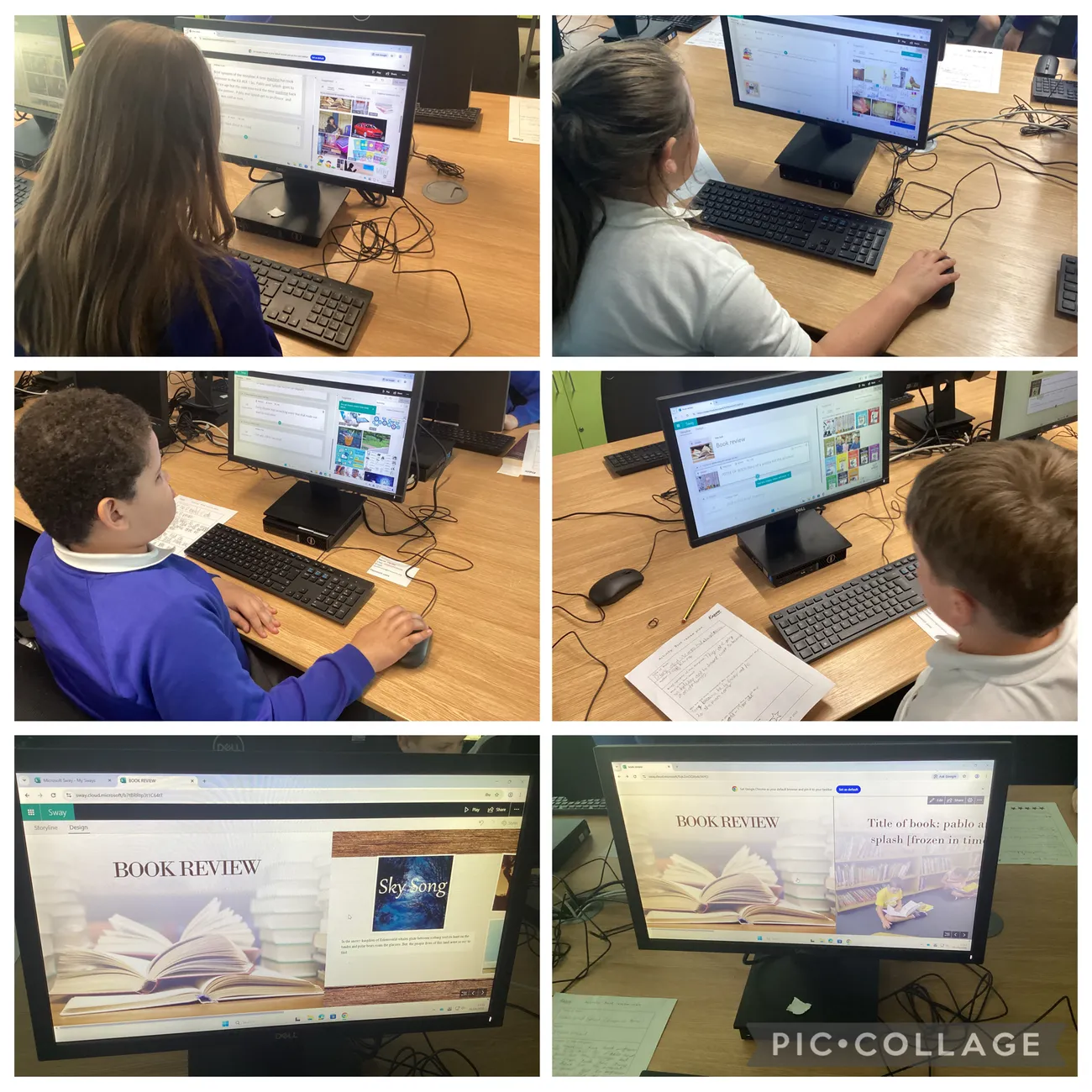
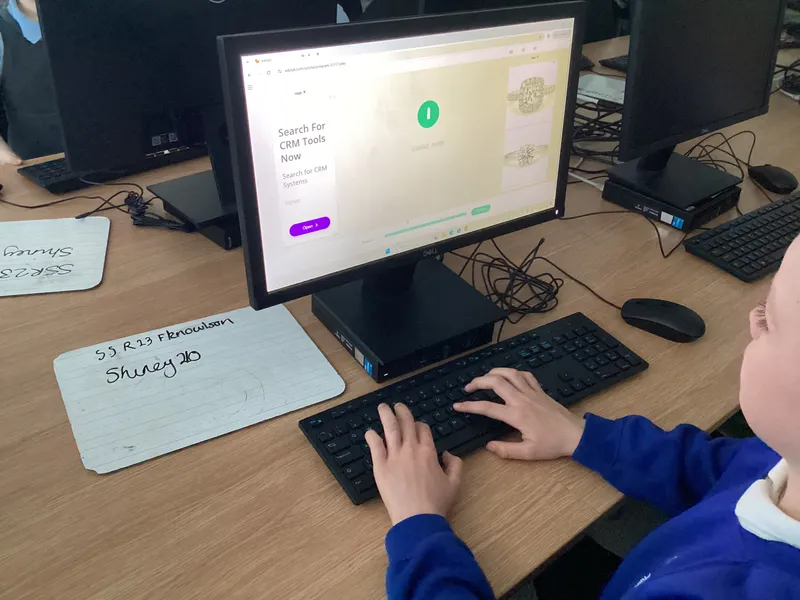
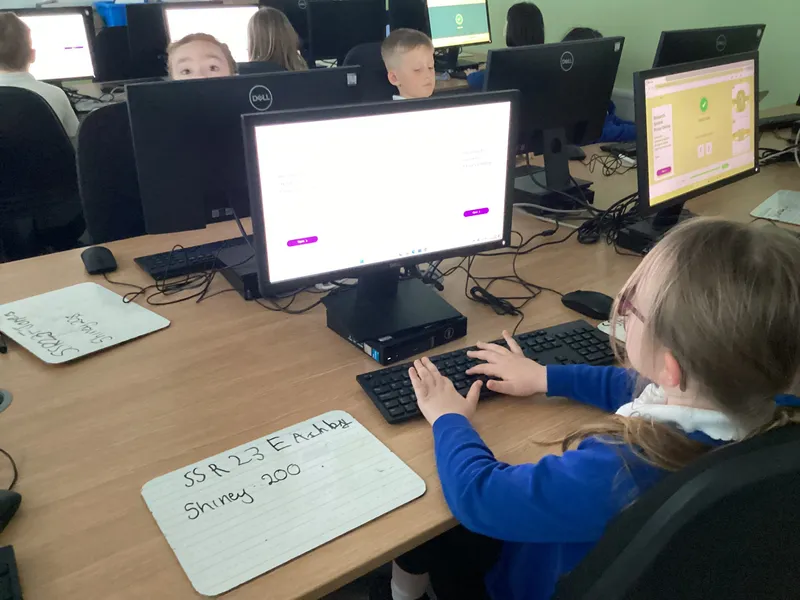
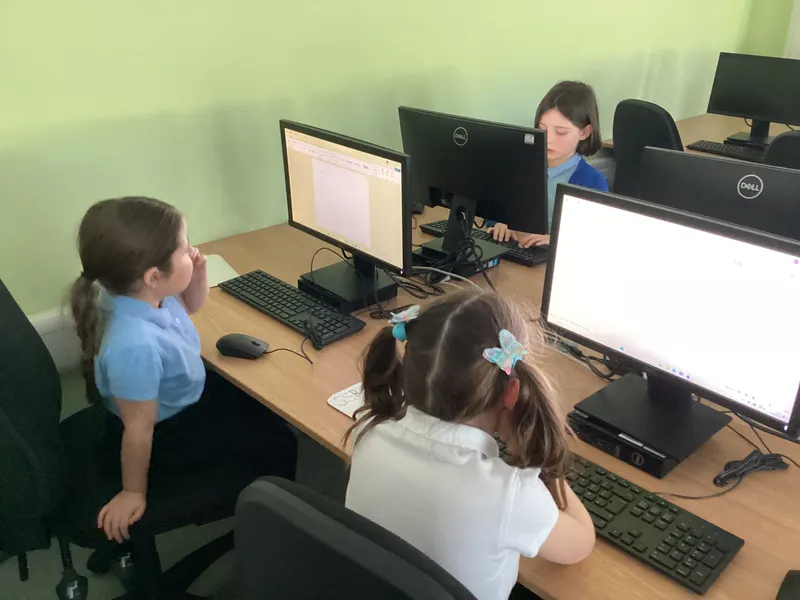
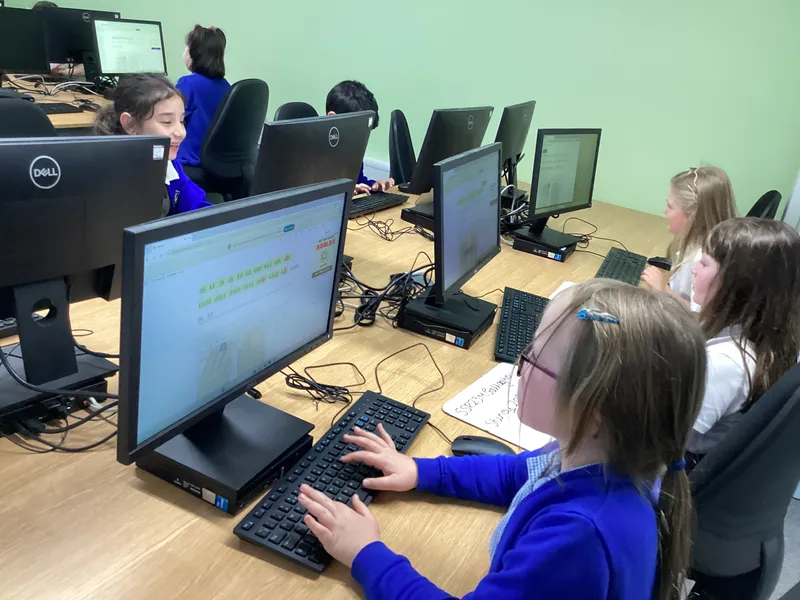
Year 1 enjoying their computing lessons
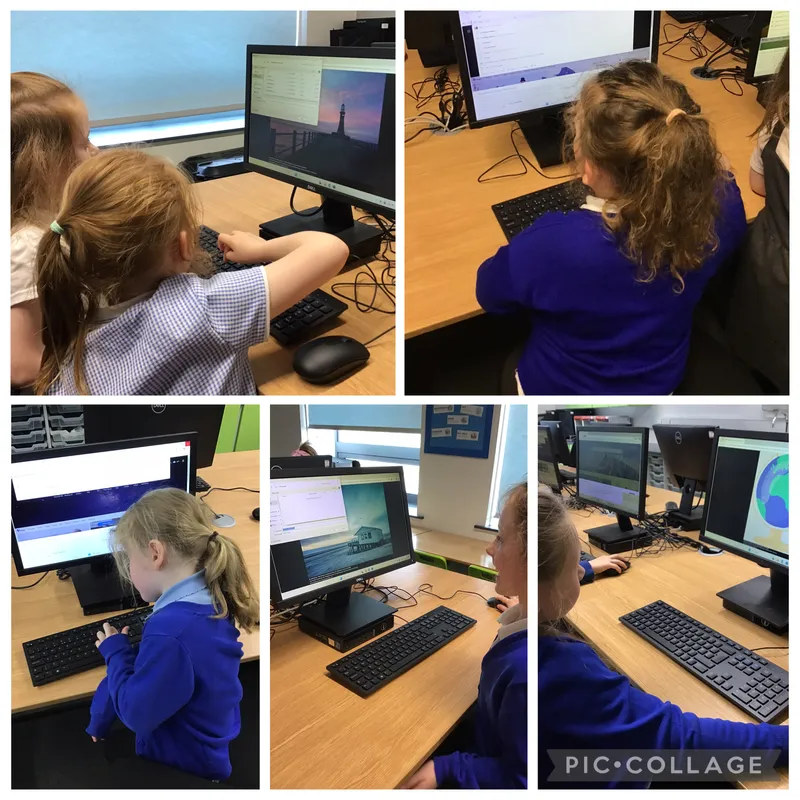
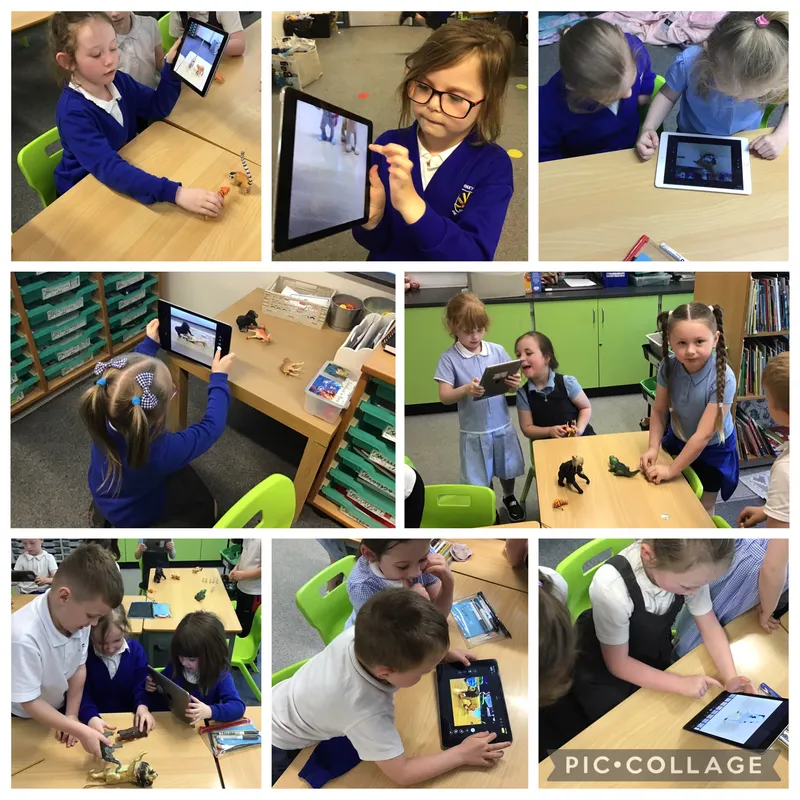
Year 2 are taking their turn too.