| Design and Technology |
- Design and Technology at Shiney Row Primary School
“Design is not just what it looks like and feels like. Design is how it works.” — Steve Jobs
At Shiney Row Primary School, we aim to inspire curiosity, creativity and critical thinking through engaging, hands-on Design and Technology experiences. Our DT curriculum encourages children to design, make and evaluate products that solve real-world problems, helping them understand how technology shapes and improves the world around them.
Through exploring a wide range of materials, tools and techniques, pupils develop practical skills, technical knowledge and confidence as designers. They learn to research, plan, create, test and refine their ideas, evaluating their work against design criteria and considering how products can be improved.
We promote innovation, collaboration and problem-solving, enabling children to apply their learning from subjects such as science and mathematics to meaningful design challenges. Pupils also develop an awareness of sustainability, and the impact design decisions can have on society, the environment and the economy.
By the end of their time with us at Shiney Row, children will be resilient, resourceful and creative thinkers with the skills and confidence to meet future design and technology challenges.
Types of knowledge
In our Design and Technology curriculum, knowledge is defined using three interrelated categories:
Substantive knowledge – the factual and conceptual understanding that underpins the design and creation of products, such as knowing how structures gain stability or how nutrients contribute to a healthy diet.
Disciplinary knowledge – the thinking processes used by designers, including how problems are explored, decisions are justified and ideas are refined through evaluation and feedback.
Procedural knowledge – the practical skills and techniques pupils need to make products effectively and safely, such as joining, cutting, shaping or finishing.
The design cycle
It is important that pupils begin to ‘think like designers and engineers’ by considering how designers identify problems, generate ideas and create solutions to meet real-world needs.
Accordingly, our curriculum uses the design cycle to support planning and making. This encourages pupils to ask design questions and learn how designers and engineers develop and refine their ideas through research, testing and evaluation.
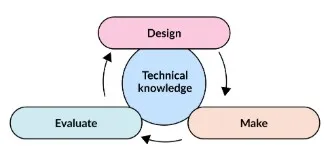
Our more detailed subject intent can be found here and the design and technology national curriculum can be found here.
Below you will find a selection of work from across the school in design and technology.
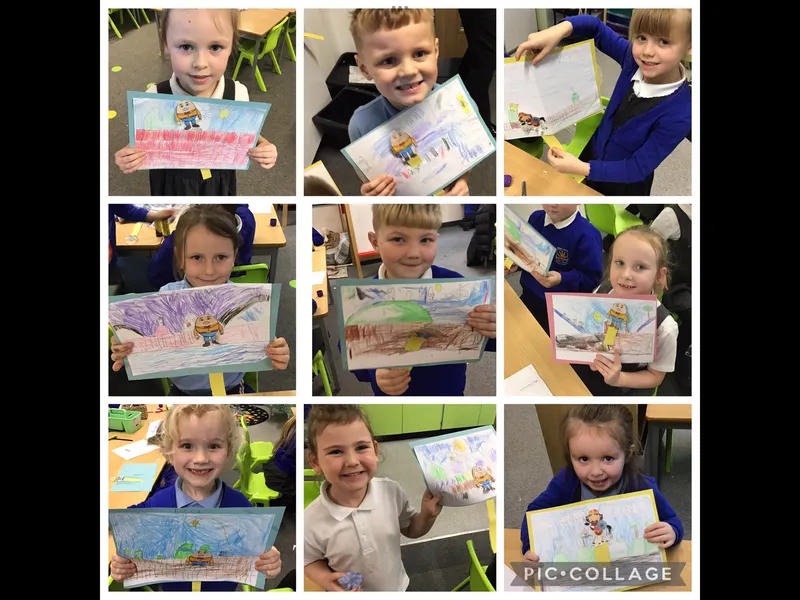
Year 1 – Mechanisms - Moving Story Books
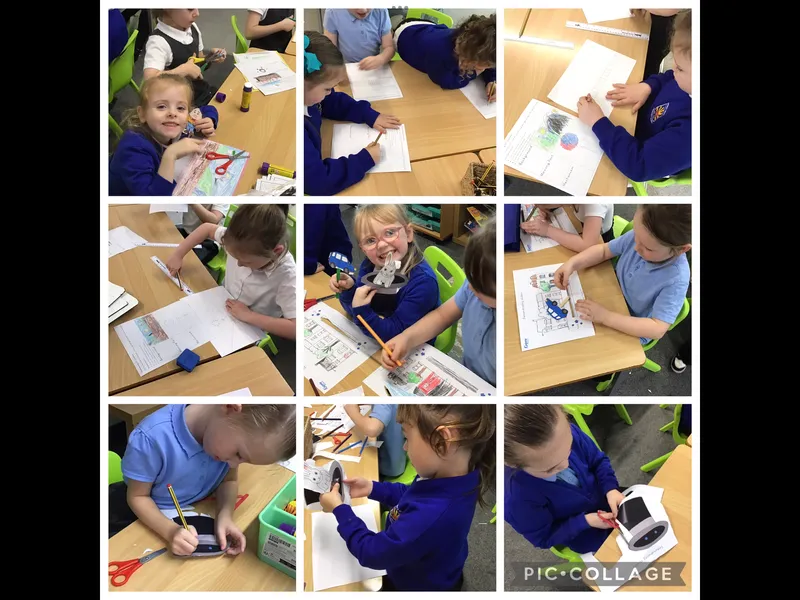
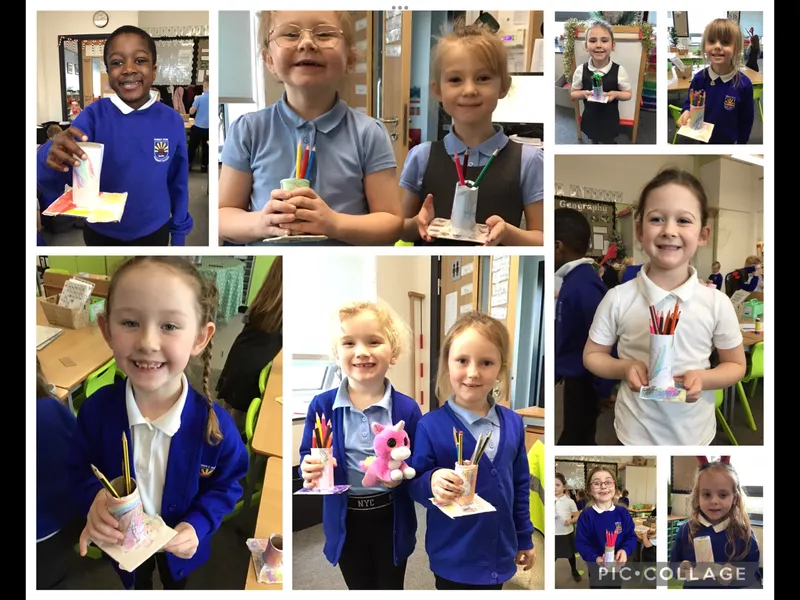
Year 1 – Structures – Pencil Pots
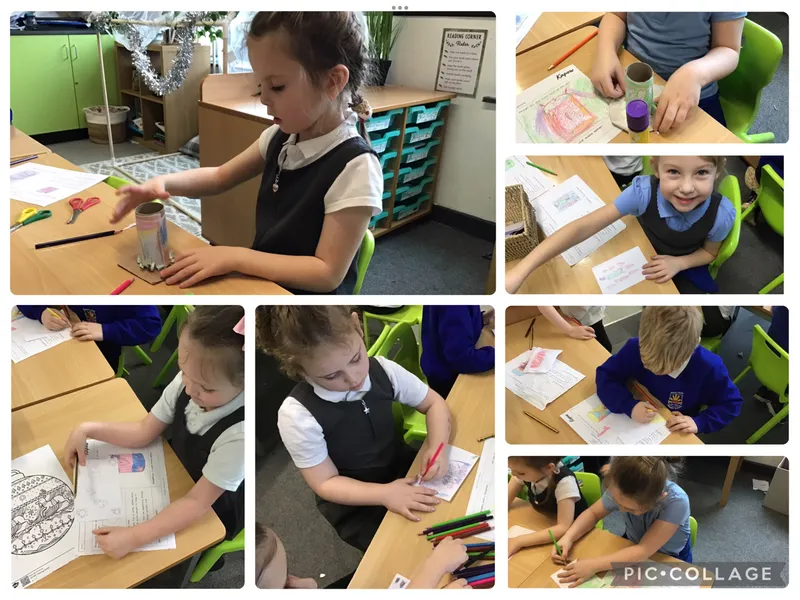
Year 1 – Textiles – Simple Stitches
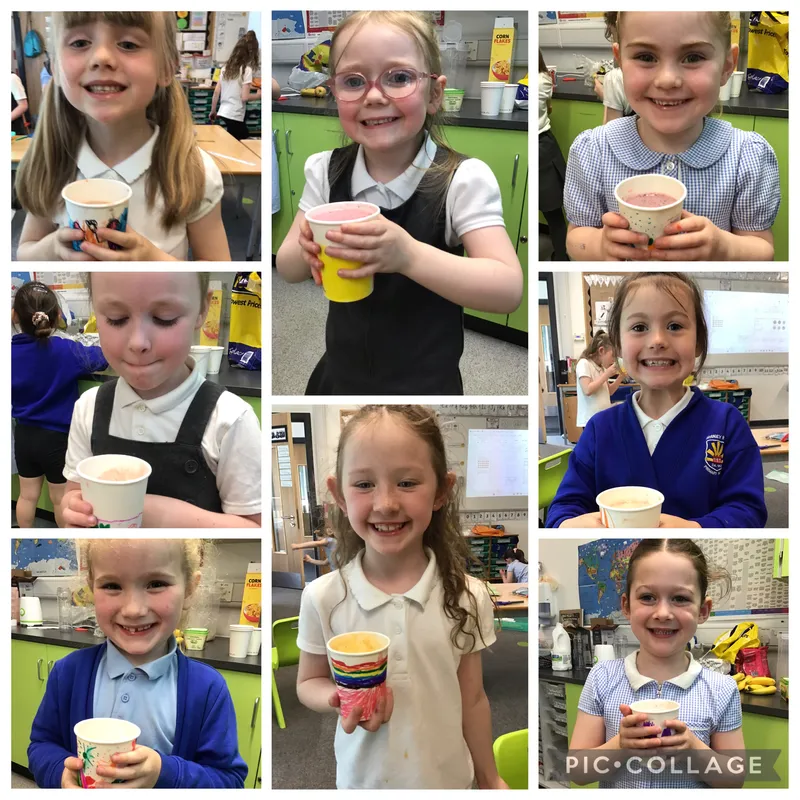
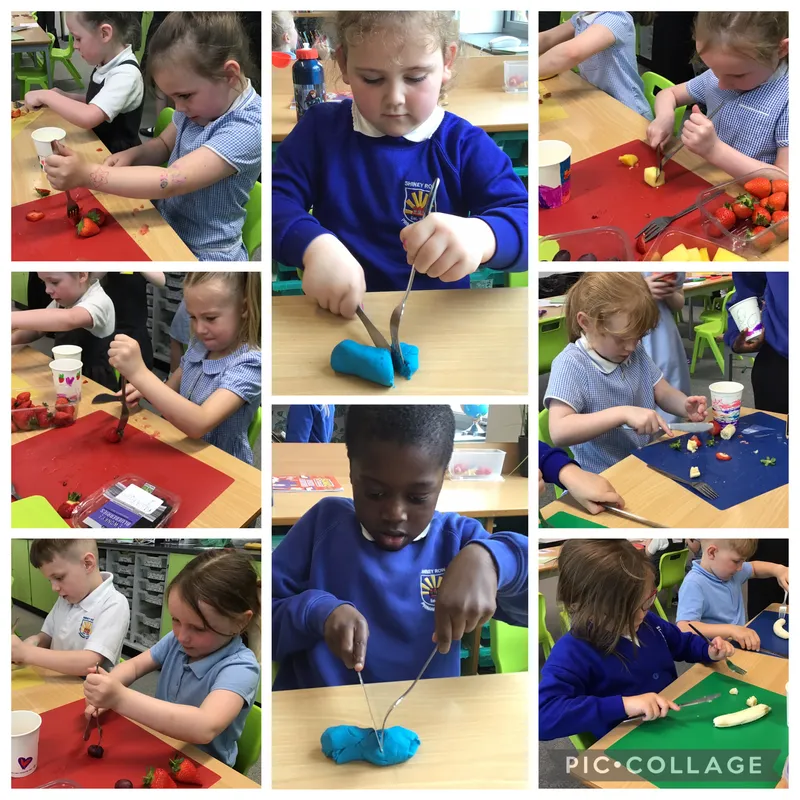
Year 1 – Food and Nutrition - Smoothies
Year 2 – Structures – Baby Bear’s Chair
Year 3 – Food and Nutrition – Eating Seasonally
Year 4 – Food and Nutrition – Christmas Biscuits
Year 6 – Digital World – Navigation Tools
Types of knowledge
In our Design and Technology curriculum, knowledge is defined using three interrelated categories:
Substantive knowledge – the factual and conceptual understanding that underpins the design and creation of products, such as knowing how structures gain stability or how nutrients contribute to a healthy diet.
Disciplinary knowledge – the thinking processes used by designers, including how problems are explored, decisions are justified and ideas are refined through evaluation and feedback.
Procedural knowledge – the practical skills and techniques pupils need to make products effectively and safely, such as joining, cutting, shaping or finishing.
The design cycle
It is important that pupils begin to ‘think like designers and engineers’ by considering how designers identify problems, generate ideas and create solutions to meet real-world needs.
Accordingly, our curriculum uses the design cycle to support planning and making. This encourages pupils to ask design questions and learn how designers and engineers develop and refine their ideas through research, testing and evaluation.